
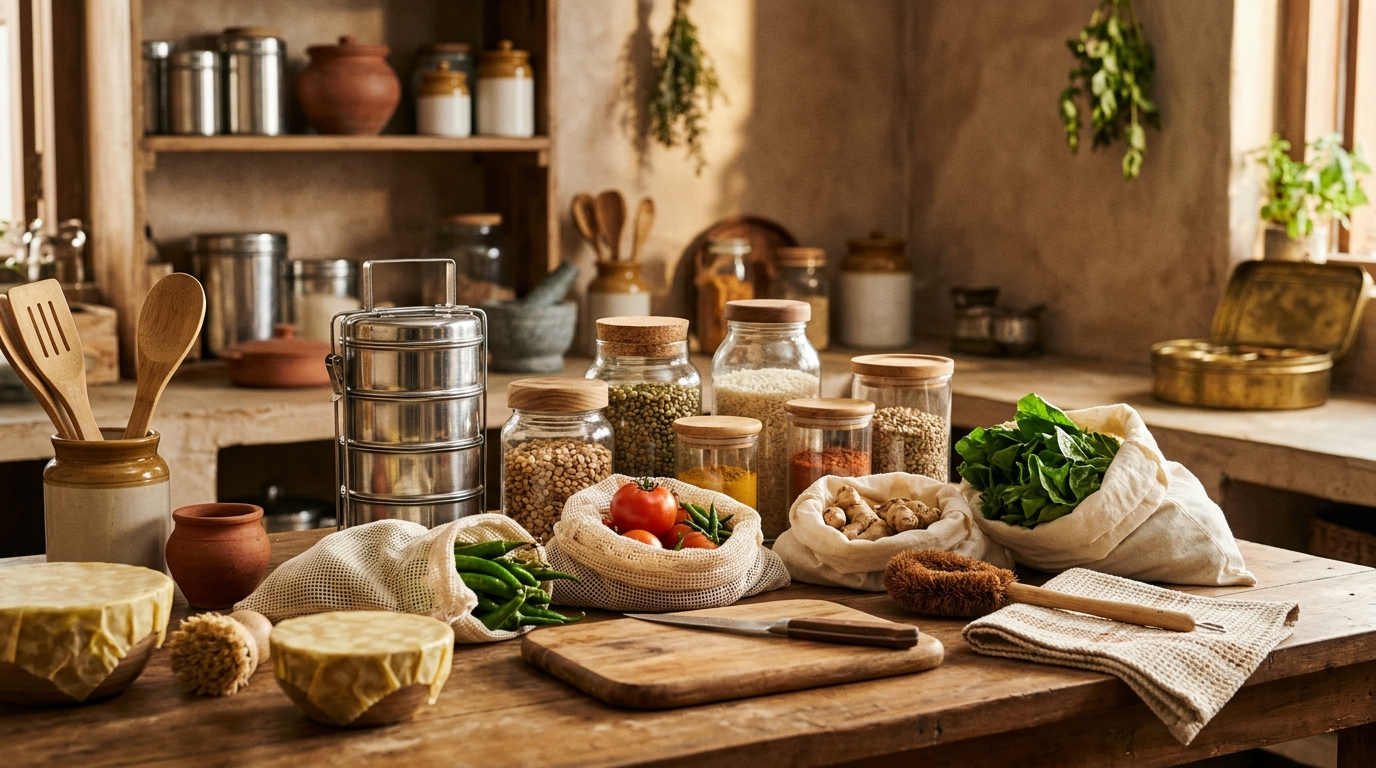
Your kitchen is the number-one source of single-use plastic in most homes. The good news? A handful of simple swaps can slash that waste almost overnight.
1. Ditch cling film
Replace it with beeswax wraps that mould to any bowl with the warmth of your hands — and can be washed and reused for about a year.
2. Choose steel over plastic
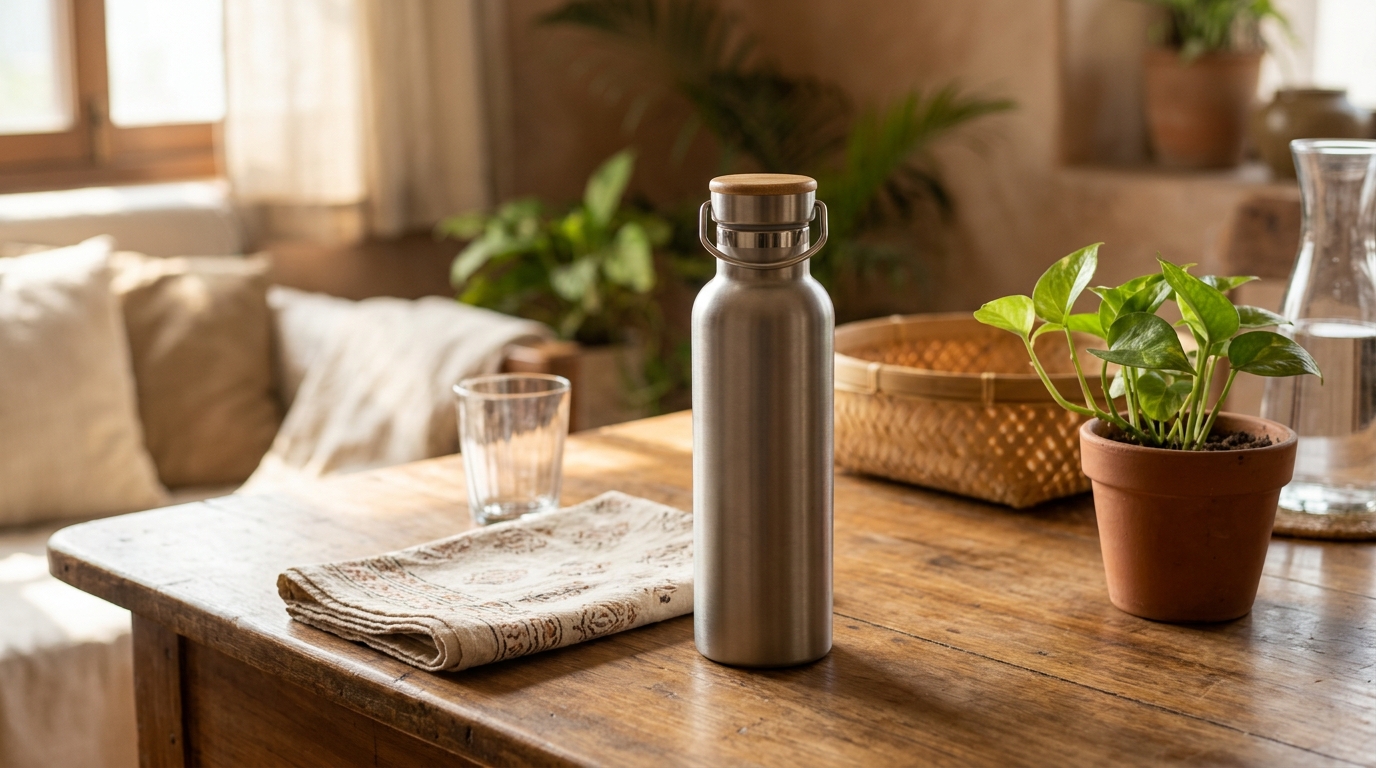
A single stainless steel bottle replaces around 1,600 plastic ones. Keep one at home, one in your bag.
3. Compost your scraps
Fruit and vegetable peels become free, nutrient-rich food for your plants instead of methane in a landfill.
The ripple effect
Each swap feels small, but multiply it by 365 days and a whole family, and you are keeping hundreds of items out of the waste stream every year.
Making these straightforward adjustments helps you cut plastic from your kitchen while creating a healthier cooking space for your household. Embracing reusable alternatives allows you to reduce single-use waste without disrupting your daily routine, paving the way for a more mindful approach to home management across India. When you decide to cut plastic from your kitchen, you are joining a growing community of households across India that are returning to traditional, sustainable habits. Transitioning away from single-use items like plastic containers, nylon scrubbers, and polythene bags might feel daunting at first, but every small change accumulates into a massive reduction in household waste. By opting for natural alternatives such as stainless steel containers, loofah sponges, brass utensils, and cotton produce bags, you not only protect the environment from toxic runoff and microplastics but also invest in durable goods that last for generations. Furthermore, keeping your cooking space clean and organized without relying on chemical-laden cleaners or disposable packaging creates a healthier environment for your family's daily meals. Embracing this conscious lifestyle encourages local artisans and eco-friendly brands who are reviving indigenous Indian materials like terracotta, jute, and brass. Remember that perfection is never the goal when building an eco-friendly home; consistency is what truly matters. Take it one shelf at a time, celebrate your small victories along the way, and enjoy the fulfilling journey toward a cleaner, greener, and more mindful culinary space.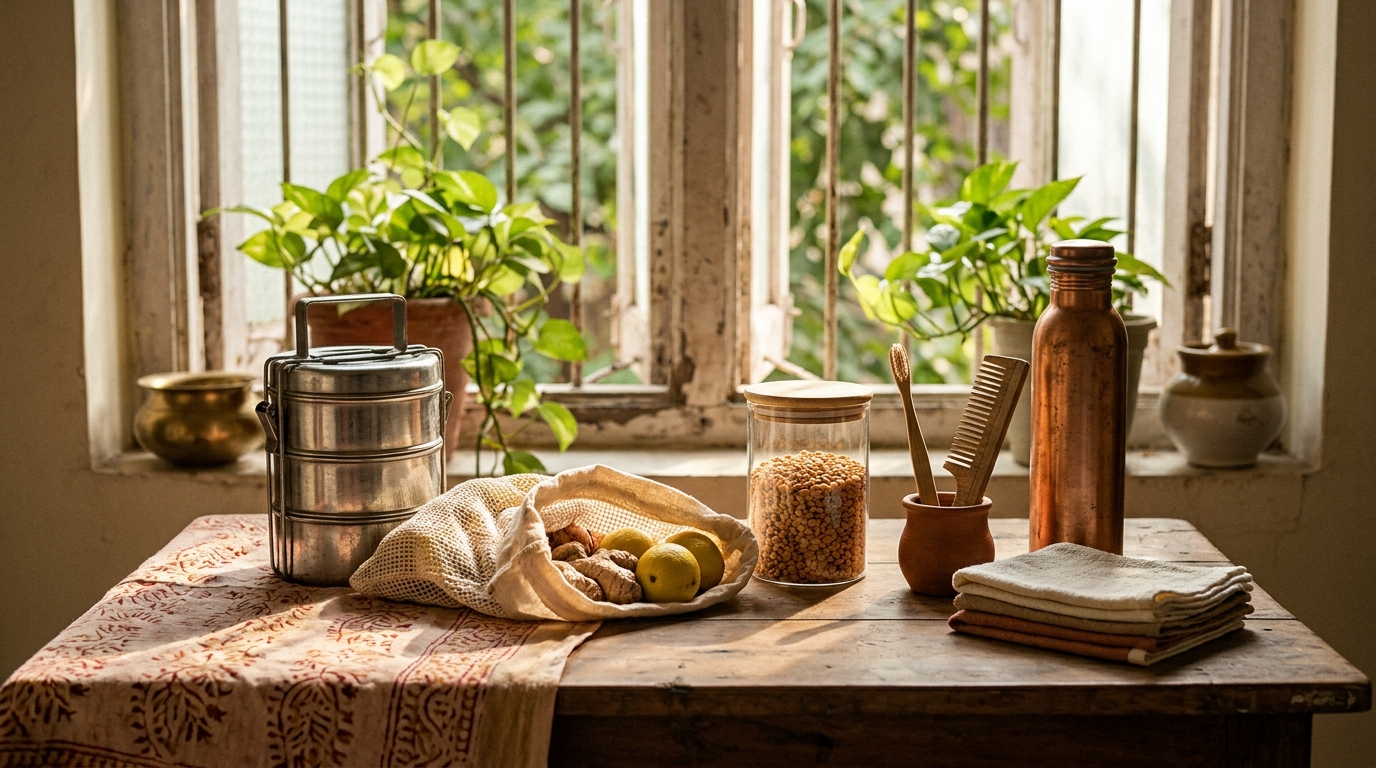
Comments 0
No comments yet — be the first to share your thoughts!