
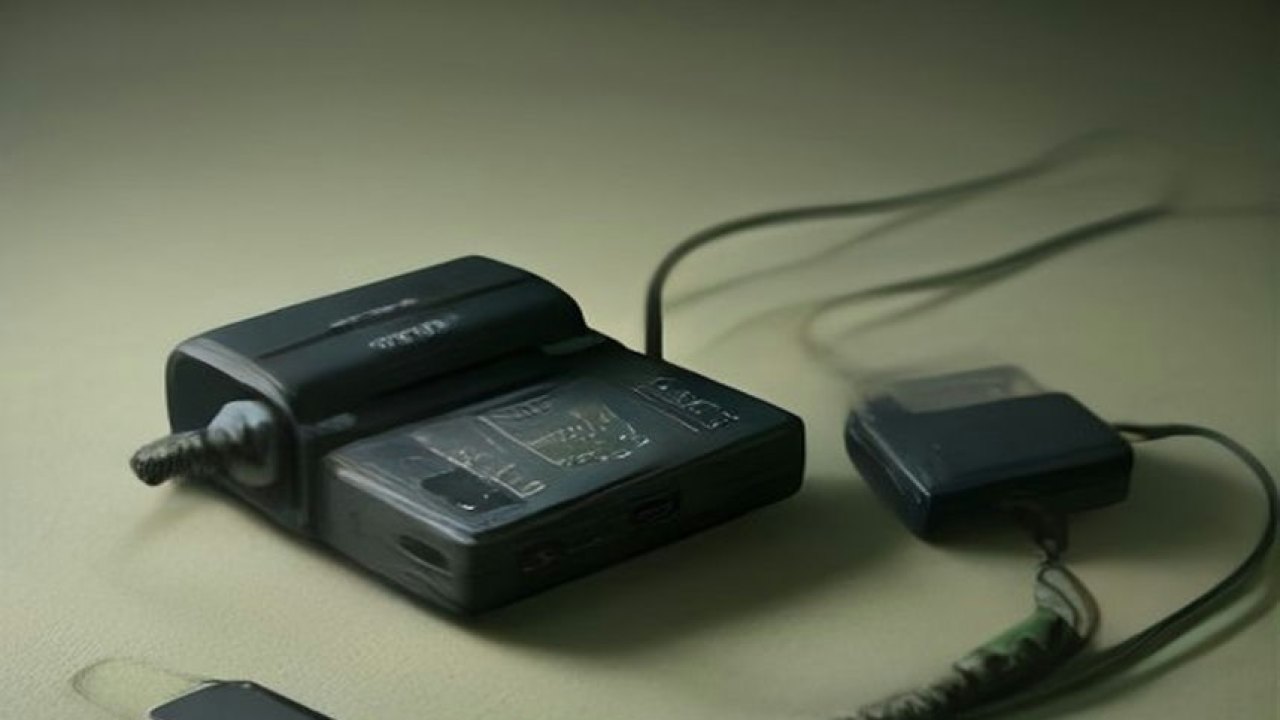
If you opened every kitchen drawer in India right now, you would find a surprising number of dead phones, tangled chargers and a remote control that stopped working in 2019. That drawer is not clutter. It is e-waste, and it is the fastest-growing waste stream in the world.
What counts as e-waste?
The term covers any electrical or electronic item that has reached the end of its useful life. That is broader than most people expect. It is not just phones and laptops.
- Phones, tablets, laptops and monitors
- Chargers, cables, power banks and adapters
- Small kitchen appliances — mixers, toasters, kettles
- LED bulbs and tube lights
- Batteries, including the rechargeable kind inside a laptop
- Toys, hair dryers, electric shavers and anything with a plug
Why a phone in a drawer is not harmless
A single mobile phone contains more than thirty elements from the periodic table. Gold, silver, copper and palladium sit on its circuit board. So do lead, mercury, cadmium and brominated flame retardants.
While the device sits powered off, those materials are stable. The problem starts when it is thrown into a general waste bin and ends up in an open dump, or is burned to recover the metals.
The metals you throw away
One tonne of circuit board contains roughly 400 to 800 times more gold than one tonne of gold ore. Recovering it from ore means moving mountains; recovering it from a phone means not throwing the phone away. This is why informal recyclers work so hard to collect old devices — and why the collection chain matters.
What leaches into soil and water
When a battery casing cracks or a screen is smashed, lead and cadmium can move into soil and groundwater. Mercury from switches and backlights accumulates up the food chain. These are not abstract risks — they are the reason several Indian states have banned open e-waste burning.
The numbers, plainly
India generates roughly a million tonnes of electronic waste a year, and the documented collection and recycling rate captures only a fraction of it. The rest is handled informally, often by hand, often without protection.
What makes the figure recoverable is that e-waste is unusually concentrated. Unlike a plastic bottle that might have been used for a week, a phone has typically held three years of precious metal in a package the size of your palm.
What to actually do with an old device
Before you recycle it
- Back up your photos and messages.
- Sign out of every account — Google, Apple, banking apps.
- Remove the SIM card and any microSD card.
- Perform a full factory reset.
- Note the serial number if you intend to sell it.
Choose the right end of life
In rough order of preference:
- Reuse — pass it to a family member or sell it working. A phone with two years left in it beats any recycling outcome.
- Trade-in — most major brands and several Indian retailers run take-back schemes, often with a discount attached.
- Authorised recycling — use a recycler registered under the national e-waste rules. They are required to channel the material properly and to give you documentation.
- Municipal collection drive — many city corporations run periodic e-waste camps. Check your local schedule.
Never put a battery in a general waste bin, and never store a swollen battery in a drawer. That one habit prevents a surprising number of warehouse and truck fires.
One drawer, one decision
You do not need to change your whole life to help here. Pick an evening, empty one drawer, and separate the working items from the dead ones. The working ones have a second life. The dead ones belong with a registered recycler, not in the ground.
That is the whole idea behind this category on the blog — not lectures about the planet, but the handful of decisions that genuinely move the needle in an ordinary week.


Comments 0
No comments yet — be the first to share your thoughts!