
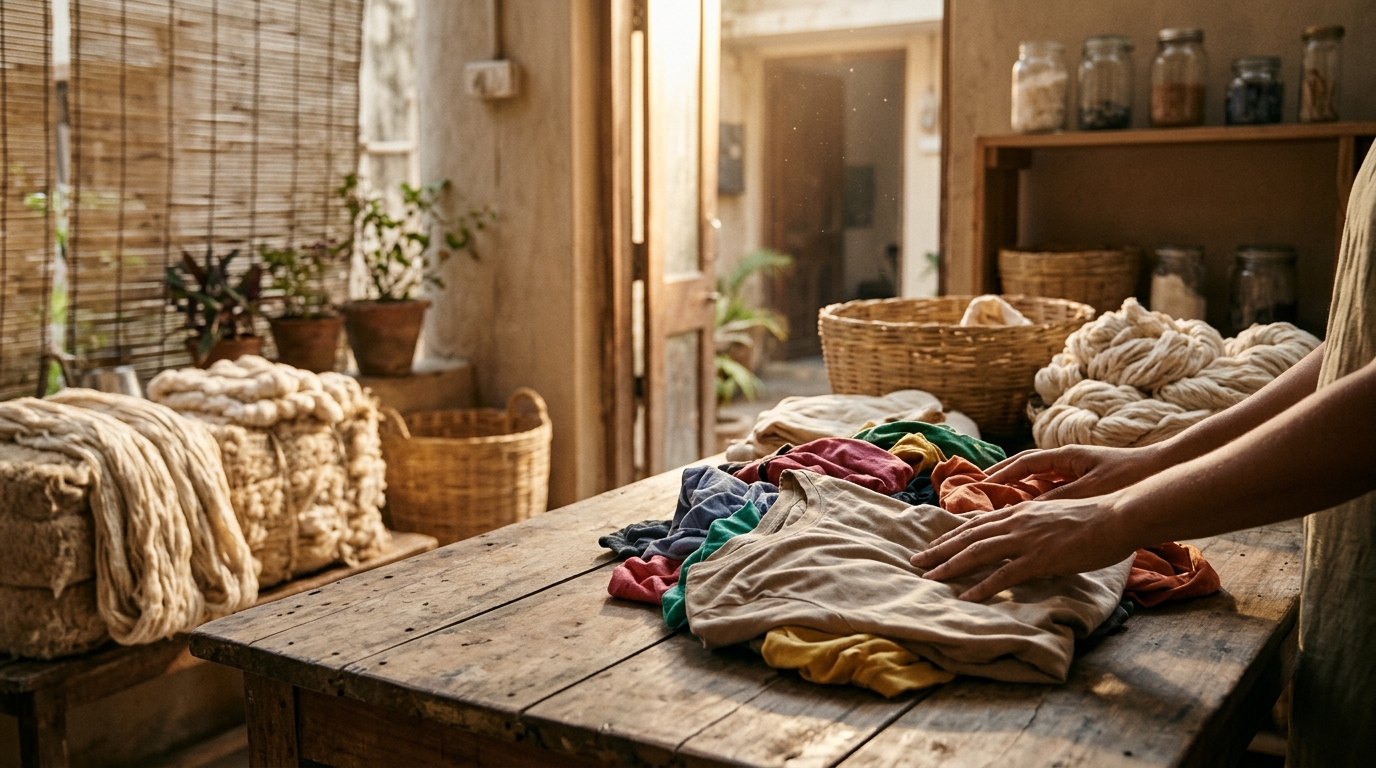
Cheap tees come with a hidden price tag — for the planet and the people making them.
A water-heavy habit
It can take around 2,700 litres of water to make a single cotton shirt: roughly what one person drinks in two and a half years.
Microplastics everywhere
Synthetic fabrics shed tiny fibres in every wash that flow into oceans and, eventually, our food chain.
Buy less, choose well
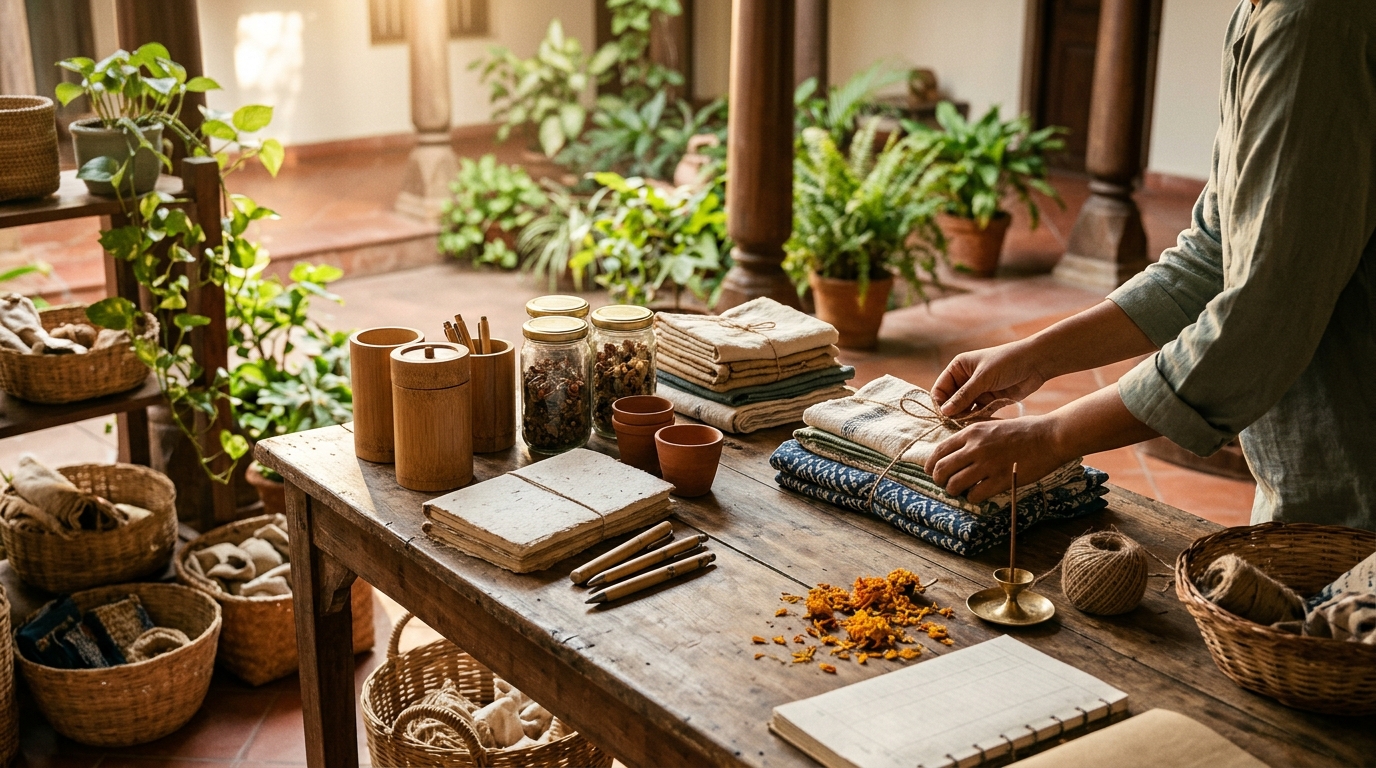
Opting for natural, durable fibres like organic cotton, hemp and jute — and simply buying fewer items — is one of the most powerful eco choices you can make.
Understanding fast fashion helps us make better wardrobe decisions for the long term. Choosing quality, durable garments over trend-driven items is a meaningful step toward mindful living and reducing unnecessary waste in our daily lives. The environmental toll of fast fashion is a complex issue that requires us to reconsider our relationship with the clothes we wear every day. By choosing to support sustainable brands, you are voting for a system that values fair wages, safe working conditions, and the preservation of our precious water resources. Moving away from the cycle of constant consumption allows us to appreciate the quality and longevity of our garments, ultimately reducing the massive amount of textile waste that ends up in landfills. It is a shift toward a more conscious lifestyle where we prioritize durability and ethical production over the fleeting trends of fast fashion. Every time you choose to repair an item, buy secondhand, or invest in pieces made from natural fibres, you are making a powerful statement against the industry's harmful practices. Your commitment to mindful fashion helps protect the ecosystems that are currently being strained by mass production. Let us continue to advocate for a fashion industry that respects both the people who create our clothing and the planet that provides the raw materials for them.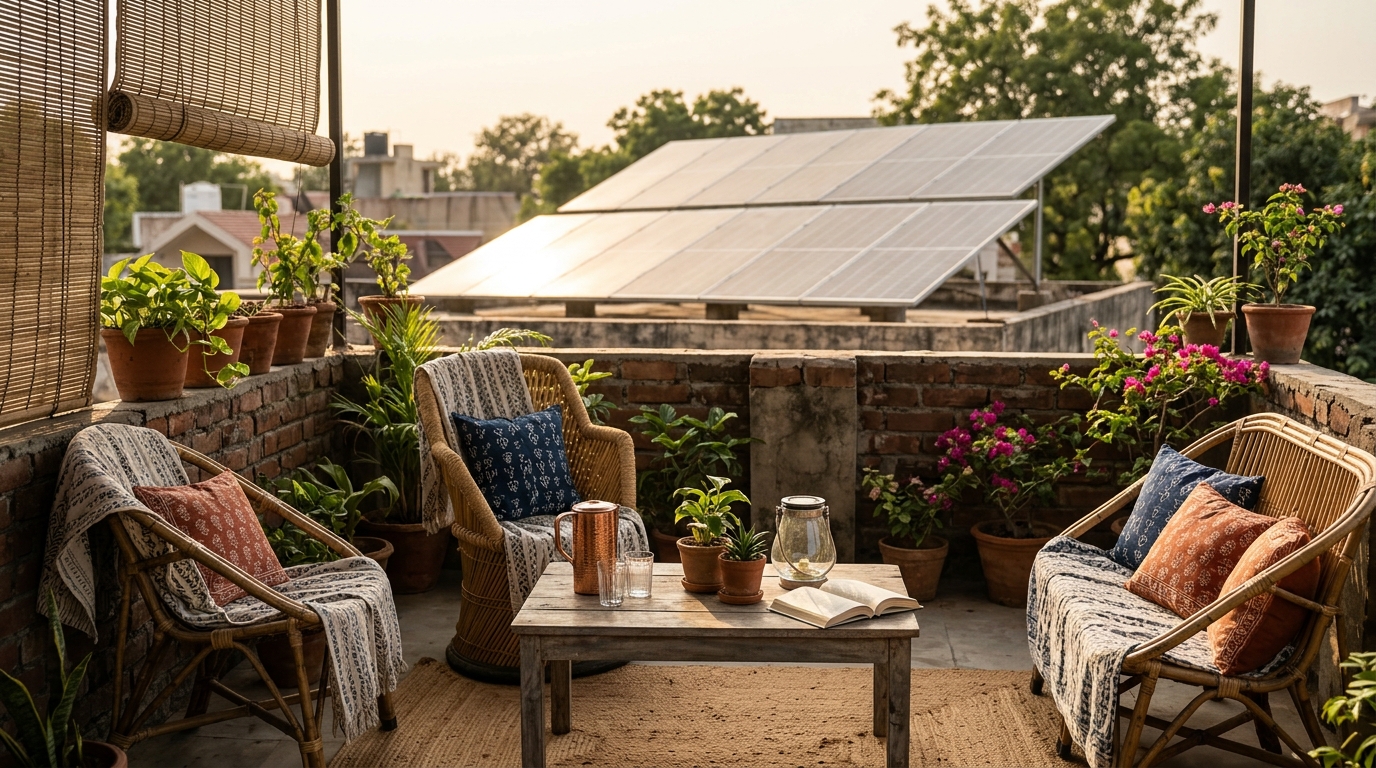
Comments 0
No comments yet — be the first to share your thoughts!